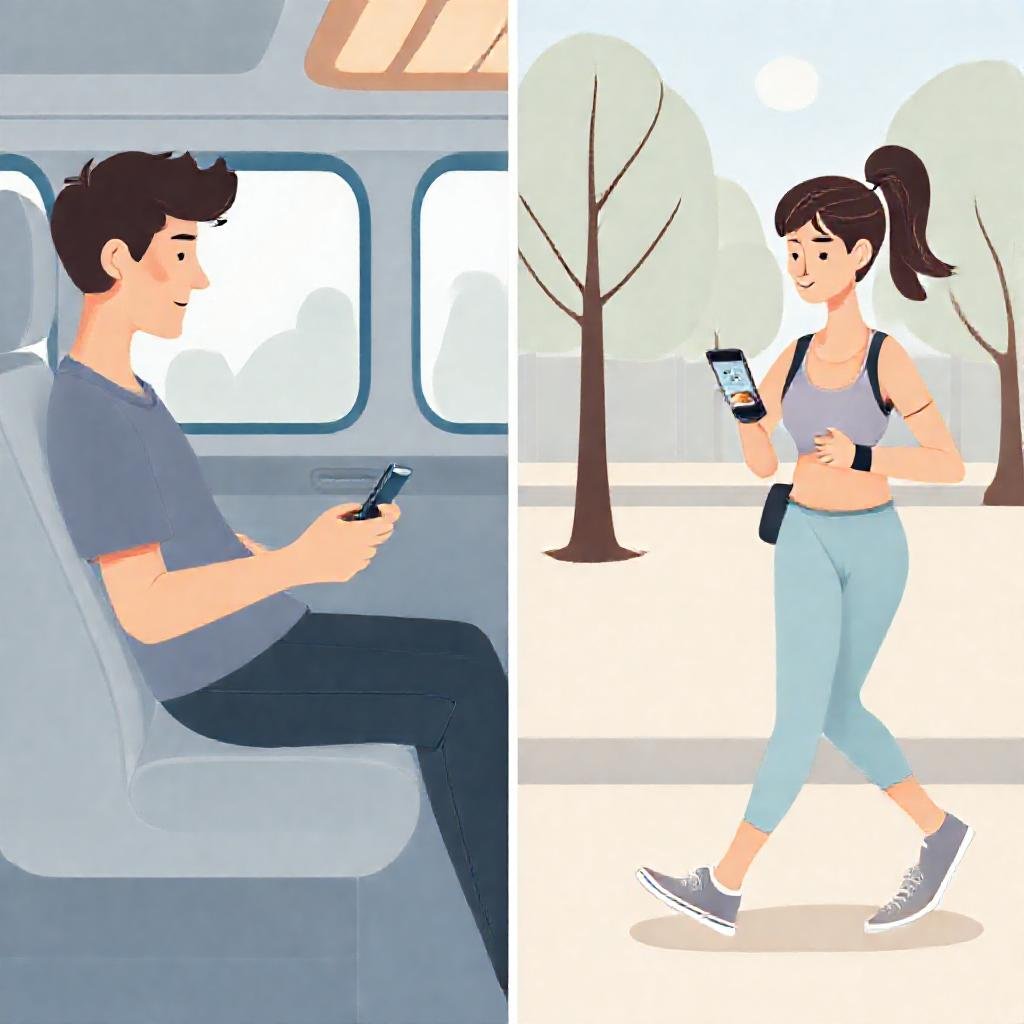
explain how technology has affected people’s activity levels.: Explain how technology has affected people’s activity levels: A practical analysis
Movement is changing—here’s what technology is doing to it.
Explain how technology has affected people’s activity levels is a question that matters for modern wellbeing, workplace planning, and public health. In everyday life, screens, smart devices, and automation increasingly decide what we do next—often determining whether we stand up, walk, or remain sedentary.
At the same time, technology has also enabled new ways to move: fitness tracking, online coaching, and delivery systems can remove barriers to activity. To understand the real impact, we need to look at the mechanisms—how technology changes routines, opportunities, and motivation—rather than assuming it only helps or only harms.
How technology has affected people’s activity levels: the central dynamics
Explain how technology has affected people’s activity levels through a few repeatable patterns. In many cases, the same device that makes life easier can also reduce “incidental movement,” the small steps people used to take without thinking.
- Substitution of physical tasks: Some activities are replaced by digital ones (e.g., paying bills online instead of going out).
- Increased convenience: Delivery, remote work tools, and online services reduce the need to travel or run errands.
- Attention concentration: Feeds, notifications, and bingeable content can extend sitting time.
- Motivation through feedback: Wearables and apps provide progress signals that encourage consistent movement.
- Access and coaching: Online classes and training plans make guidance cheaper and more available.
These dynamics don’t affect everyone equally. Age, job type, health status, and the design of digital tools all influence whether activity declines, stays stable, or increases.
From “incidental steps” to “screen time”: why routines shift
Historically, many daily routines naturally created movement. People walked to workplaces, used phones mainly for calls, and spent time traveling or shopping in person. Today, many of those steps are compressed into a single device interaction.
Work and commuting: fewer transitions, fewer steps
Remote work and hybrid schedules can lower daily commuting activity. Even when people move during the day, the transitions that used to punctuate routines—walking to a car, climbing stairs to an office, walking between appointments—may disappear or shrink.
At the same time, new tools can support movement: scheduling platforms can prompt standing breaks, and video meeting norms can make short walk-and-talk sessions more common. The outcome depends on whether the digital environment is designed to encourage breaks or keep people continuously engaged.
Errands and daily tasks: delivery reduces the “walk”
Food, groceries, and services delivered to the door reduce time spent travelling and reduce “micro-errands.” That convenience can be beneficial for people with mobility limitations, but it can also lower overall activity for those who can walk and would otherwise move around.
Entertainment and attention design
Algorithms that optimize engagement can increase sitting time. When people use apps for entertainment or messaging, the easiest choice often becomes staying put—especially if the interface is frictionless and content is always available.
This is where design matters. Interfaces that encourage short sessions, include movement prompts, or nudge users toward “break patterns” can help counterbalance prolonged inactivity. Conversely, autoplay, endless feeds, and frequent notifications make it harder to step away.
Wearables and fitness apps: turning tracking into action
One of technology’s most tangible contributions is feedback. When devices track steps, heart rate, or activity minutes, people can connect behaviors to outcomes in near real time.
However, tracking works best when it supports behavior change rather than becoming another source of stress. The most effective use of wearables tends to be consistent and practical: goals that match the person’s life, and insights that encourage small, repeatable improvements.
What technology can do well
- Clarify baselines: Many people underestimate their sedentary time; data can reveal it.
- Make progress visible: Trends over time are often more motivating than single-day scores.
- Support structure: Plans and reminders can help people schedule workouts around constraints.
- Increase accountability: Challenges, group sessions, or coach check-ins can reinforce consistency.
- Reduce barriers: Home workouts and guided programs are accessible to more people.
Potential downsides of constant measurement
Wearables may also lead to over-focusing on metrics. Some users respond by chasing numbers even when their body needs recovery. Others become discouraged when goals feel unrealistic.
A balanced approach is key: treat data as information, not a verdict. If the goal is improved health, activity plans should account for sleep, stress, and recovery, not just daily totals.
Smart environments: when technology shapes movement opportunities
Beyond personal devices, technology influences the physical environment and the “default choices” available to people.
Health systems and telehealth
Telehealth can increase access to guidance for activity and rehabilitation. For people managing chronic conditions, virtual coaching can support safe movement, monitor progress, and help with adherence between appointments.
Telehealth can also reduce travel burdens, which is helpful—but it may lower physical activity if it replaces follow-up visits that included walking. Again, the net effect varies by person and context.
Smart home routines and prompts
Smart speakers, phone reminders, and workplace apps can encourage standing breaks, hydration, and short activity “micro-sessions.” When prompts are timed thoughtfully, they can help reintroduce movement without demanding extra willpower.
For example, a reminder every 60–90 minutes might be enough to reduce prolonged sitting. The most effective prompts tend to be:
- Short (quick to dismiss or act on)
- Relevant (tied to a clear action, such as “stand and stretch for 2 minutes”)
- Non-judgmental (avoid shame or guilt)
- Adjustable (users can adapt timing to their schedule)
Social technology and community: motivation can be contagious
Activity levels are not only biological—they’re social. Digital communities can encourage movement through shared goals, group challenges, and content that normalizes exercise.
Many people find it easier to start when they see others succeed. Training plans, transformation stories, and community leaders can make exercise feel less intimidating. On the other hand, highly edited content can set unrealistic expectations, which may reduce motivation.
Encouraging factors
- Peer accountability: People tend to follow through when they feel seen.
- Low-friction participation: Signing up for a virtual class is easier than commuting to a gym.
- Skill-building: Tutorials can help users learn form, pacing, and routines.
Healthy community design
Communities can promote safe behavior by emphasizing gradual progress, injury prevention basics, and respect for different fitness levels. Technology can help by curating content that supports learning rather than promoting extremes.
When people ask explain how technology has affected people’s activity levels, they’re often thinking about the tug-of-war between reduced movement opportunities and improved motivation tools. That tug-of-war is visible in how people spend time: some platforms intensify sedentary habits, while others guide users into active routines.
Measuring impact without falling for extremes
To understand the real effect, it helps to evaluate technology outcomes in categories rather than binary “good vs bad” narratives.
Consider these impact pathways
- Time displacement: Did technology replace an activity that would have involved movement?
- Effort substitution: Did technology reduce the need to walk, lift, or travel?
- Behavior reinforcement: Does the tool encourage breaks, plans, and movement milestones?
- Opportunity creation: Does it make activity easier to start (classes, coaching, accessibility features)?
- Risk amplification: Does it increase distraction and prolonged sitting?
These pathways often coexist. For instance, someone might watch more content on a commute but also use a step-tracking app to ensure daily walking still happens. The question becomes: which pathway dominates for that person?
Practical ways to use technology to support activity
Technology isn’t just a driver of behavior—it can also be redesigned by users. By adjusting device settings and routines, individuals can aim for the benefits without the common traps.
- Set “movement rituals”: Pair phone checks with micro-activities (e.g., stand and stretch before replying).
- Use reminders strategically: Prefer fewer, clearer prompts over constant alerts.
- Create friction for sedentary sessions: Put entertainment apps behind a deliberate action (log in only after a walk).
- Choose active defaults: If available, walk-and-talk meetings, standing timers, and guided mobility sessions.
- Track what matters: Focus on trends and consistency rather than chasing a perfect number.
- Balance intensity: Use data to support recovery and avoid “all effort, no rest” patterns.
For organizations, the same principles apply at scale. Workplace policies can support activity by encouraging break schedules, designing meeting norms, and promoting wellness programs that are realistic.
Even when people think about “technology” broadly, it’s useful to remember that humans have always depended on tools to shape daily life. The difference today is the speed and scale at which tools can alter routine, including how we occupy time. For a contrast between tool use and everyday movement patterns, explore How Did They Build Stonehenge Without Technology? Methods Explained—a reminder that earlier societies achieved major outcomes without modern digital habits that encourage prolonged sitting.
Conclusion: technology can reduce or increase activity—depending on the design and the choices
Explain how technology has affected people’s activity levels is ultimately a story about control: technology can remove movement from daily life, but it can also reintroduce it through tracking, coaching, prompts, and social motivation. The most productive approach is not to reject technology, but to shape its influence.
When digital tools are designed around intentional movement—rather than maximum screen engagement—people are more likely to maintain healthy activity patterns. When prompts are thoughtful, goals are realistic, and tracking supports recovery, technology becomes an ally. When devices prioritize endless content and convenience alone, sedentary time tends to grow.
If you want a simple guiding principle, use technology to create “active opportunities” and to break up long stretches of sitting. Over time, that combination can help turn modern routines into healthier ones.
FAQ
Does technology always make people less active?
No. While many tools reduce incidental movement, wearables, apps, and coaching can increase exercise and improve consistency—especially when people use them intentionally.
What is “incidental movement,” and why does it matter?
Incidental movement refers to small amounts of activity built into daily life, like walking between locations or taking short breaks. When technology replaces these transitions, total activity can drop even if intentional workouts remain.
Can activity trackers help beginners?
Yes, often. Trackers can clarify baselines and encourage gradual progress. The best results come from setting achievable goals and using data to support habits, not to create pressure.
How can workplaces use technology to improve activity levels?
Workplaces can use scheduling norms, reminder systems, and meeting practices to encourage movement breaks, reduce prolonged sitting, and offer accessible wellness programs.
What should I watch out for when using fitness apps?
Watch for over-reliance on metrics, unrealistic goal setting, and excessive notification load. Sustainable activity typically blends consistent prompts with recovery and enjoyment.