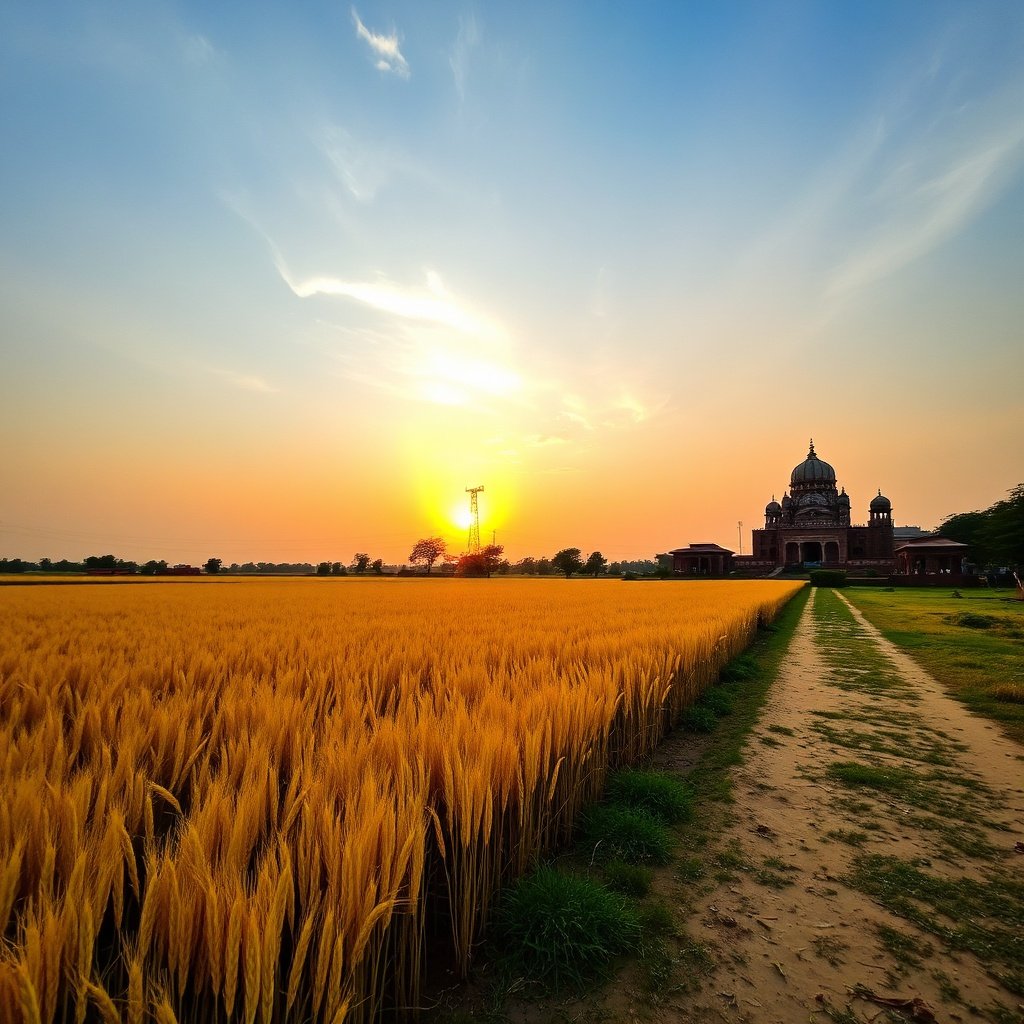
Discover Punjab: A Comprehensive Guide to Its Culture, History, and Economy
Nestled in the northwestern region of the Indian subcontinent, Punjab is a land of profound history, dynamic culture, and extraordinary agricultural productivity. Revered as the “Land of Five Rivers”—a name derived from the Persian words punj (five) and aab (water)—the region historically drew its vitality from the Sutlej, Beas, Ravi, Chenab, and Jhelum rivers. Today, Punjab stands as a vibrant symbol of resilience, warm hospitality, and economic fortitude.
Whether you are interested in historical heritage, spiritual sanctuaries, world-class cuisine, or modern industrial developments, Punjab presents a compelling narrative of tradition meeting progress. This guide provides an in-depth look at what makes Punjab one of the most distinctive and influential regions in South Asia.
A Deep Historical Legacy
Punjab’s history is among the most ancient and layered in the world. As a primary gateway to the Indian subcontinent, the region served as a crossroads for various civilizations, trade routes, and military conquests over several millennia.
The roots of Punjabi civilization trace back to the prehistoric Indus Valley Civilization, which flourished in sites across the fertile plains. Over centuries, the land witnessed the passage of Persian, Greek, Central Asian, and Mughal influences, each leaving an indelible mark on the local architecture, language, and societal customs.
In the 15th century, Punjab became the birthplace of Sikhism, founded by Guru Nanak Dev Ji. The region subsequently evolved into the center of the Sikh Empire under Maharaja Ranjit Singh in the early 19th century, characterized by religious tolerance, administrative efficiency, and military strength. Following British colonial rule and the pivotal Partition of 1947, Punjab was divided into two parts across India and Pakistan. Despite the challenges of division, the Indian state of Punjab rebuilt itself into a powerhouse of national progress.
The Granary of India: Agricultural Dominance
Punjab plays a vital role in food security. Often called the “Granary of India” or the “Breadbasket of the Nation,” the state possesses some of the most fertile alluvial soil on earth, supported by an extensive network of canal irrigation systems.
During the 1960s, Punjab was the epicenter of the Green Revolution in India. The adoption of high-yielding crop varieties, modernized farming techniques, and modern irrigation transformed the state into an agricultural leader. Today, despite occupying a small percentage of India’s total geographical area, Punjab contributes a massive share of the nation’s central food grain reserves.
Key agricultural outputs include:
- Wheat: The primary winter crop, driving the state’s agricultural economy.
- Rice (Paddy): Cultivated extensively during the monsoon season, including premium Basmati varieties.
- Sugarcane and Cotton: Vital commercial crops supporting local processing and textile industries.
- Dairy and Livestock: High per-capita milk availability supported by robust dairy farming networks.
Vibrant Culture, Music, and Culinary Traditions
Punjabi culture is famous worldwide for its energy, warmth, and expressive arts. The spirit of the Punjabi people is reflected in their festive celebrations, traditional dance forms, and legendary hospitality.
Folk Dances and Festivals
Music and dance are integral to everyday life in Punjab. Bhangra, a high-energy folk dance traditionally performed by men during the harvest festival of Baisakhi, has gained global popularity. Complementing it is Giddha, a graceful folk dance performed by women, accompanied by rhythmic clapping and traditional folk couplets known as bolis.
Major festivals celebrated with great enthusiasm include:
- Baisakhi: Marking the solar new year and the spring harvest, as well as the historic formation of the Khalsa in Sikh tradition.
- Lohri: A winter festival celebrating the winter solstice, characterized by bonfires, traditional music, and community feasts.
- Gurpurabs: Commemorations of the lives and teachings of the Sikh Gurus, marked by processions and community kitchens (langar).
Culinary Excellence
Punjabi cuisine is celebrated around the globe for its rich flavors, robust use of spices, and wholesome ingredients. Traditional cooking techniques frequently utilize the clay oven, or tandoor, imparting a distinct smoky flavor to breads and roasted dishes.
Iconic culinary staples include Sarson ka Saag (mustard greens curry) paired with Makki ki Roti (cornmeal flatbread), rich Dal Makhani, Butter Chicken, and refreshing glasses of sweet or salted Lassi. Central to Punjabi dining culture is the concept of community eating and generous hospitality, epitomized by the free public kitchens operated at Sikh places of worship.
Top Travel Landmarks and Heritage Sites
Punjab attracts millions of global travelers every year, offering a blend of spiritual sites, colonial history, and royal heritage.
- The Golden Temple (Harmandir Sahib), Amritsar: The spiritual and cultural center of Sikhism. Built around a sacred pool, its gold-plated architecture radiates peace, welcoming visitors of all faiths without discrimination.
- Wagah Border: Located near Amritsar, this border crossing between India and Pakistan is famous for its daily lowering of the flags ceremony, attracting enthusiastic crowds.
- Jallianwala Bagh: A solemn memorial park in Amritsar dedicated to the peaceful protesters who lost their lives in the historic 1919 massacre.
- Qila Mubarak, Patiala: A stunning palace complex showcasing a unique blend of Mughal and Rajasthani architectural styles.
- Saddda Pind: An experiential cultural museum near Amritsar that offers visitors an authentic view of traditional Punjabi village life.
Economic Growth and Modernization
While agriculture remains a central pillar, modern Punjab is diversifying its economy across manufacturing, technology, and services. Cities like Ludhiana have developed into major industrial hubs for textiles, apparel, and bicycle manufacturing. Jalandhar is recognized internationally for its high-quality sports goods manufacturing, while Mohali (SAS Nagar) has emerged as an important center for information technology and higher education.
With ongoing investments in transport infrastructure, renewable energy, and industrial parks, Punjab continues to position itself as a dynamic destination for commerce and innovation.
Conclusion
Punjab is far more than a geographical location; it is a living tapestry of history, resilience, joy, and hard work. From the peaceful courts of the Golden Temple to the bustling industrial districts and verdant green fields, the state offers a unique harmony between time-honored heritage and modern aspiration. Whether you are exploring its historic landmarks or enjoying its vibrant culinary culture, Punjab leaves a lasting impression on every visitor.
Frequently Asked Questions (FAQ)
What is the best time of year to visit Punjab?
The ideal time to visit Punjab is between October and March. During these autumn and winter months, the weather is pleasant and cool, making it ideal for sightseeing and outdoor festivals like Lohri and Baisakhi.
What language is predominantly spoken in Punjab?
Punjabi is the official and most widely spoken language in the region. Hindi and English are also commonly understood and used, particularly in urban centers, educational institutions, and business environments.
What is the significance of the Golden Temple?
The Golden Temple, or Sri Harmandir Sahib, in Amritsar is the holiest shrine in Sikhism. It symbolizes human brotherhood, spiritual equality, and peace. It features four entrances to signify that people from all walks of life and religious backgrounds are equally welcome.