Navigating Global Vehicle Logistics: A Guide to International Shipping Corridors
The global automotive trade requires robust logistics frameworks to move passenger vehicles, luxury fleets, and industrial machinery safely across oceans. For automotive dealerships, commercial exporters, and private owners, moving high-value wheeled assets across international borders involves balancing regulatory compliance, safety frameworks, and financial efficiency. Shippers must evaluate transit methods carefully to ensure cargo remains secure throughout long-distance maritime voyages.
As international supply chains evolve, Roll-on/Roll-off (RORO) shipping continues to be the preferred choice for vehicle logistics. This comprehensive guide covers the operational structure of modern maritime transport, highlights key European and Middle Eastern trade routes, and outlines best practices for cross-border vehicle transit.
The Strategic Infrastructure of Modern RORO Shipping
The global movement of wheeled cargo relies on highly specialized maritime infrastructure. Unlike standard container vessels designed for stackable box cargo, dedicated Roll-on/Roll-off ships function as large, multi-level floating parking complexes. These vessels feature integrated ramp systems that allow cars, trucks, and heavy industrial machinery to be driven directly onto the ship at the origin port and driven off at the destination.
Inside the vessel, vehicles are housed on fully enclosed decks that offer complete protection from marine elements, including saltwater exposure, volatile ocean weather, and debris. Once parked, trained terminal crews secure each vehicle’s chassis using high-tensile lashing straps anchored directly to the ship’s deck eyelets. This systematic immobilization prevents shifting during rough sea transits, preserving the structural and cosmetic condition of the cargo.
Connecting Trade Corridors: The Middle Eastern Automotive Market
The Arabian Gulf represents one of the highest-volume destination markets for European automotive exports. Ports across the region serve as primary distribution hubs, requiring reliable and frequent ocean liner schedules to meet consumer and commercial demand.
[UK Loading Terminal] ➔ [North Atlantic Transit] ➔ [Suez Canal Crossing] ➔ [GCC Destination Ports]
Exporters targeting this high-demand market rely heavily on specialized RORO car export UK to GCC pathways. Because major Gulf terminals are engineered to handle high-volume automotive freight, utilizing a dedicated RORO framework ensures rapid offloading and streamlined customs processing. This efficiency reduces port dwell times, allowing commercial fleets and luxury vehicles to enter local markets without the delays associated with container un-stuffing and grounding.
Expanding European Trade: Navigating Continental Logistics
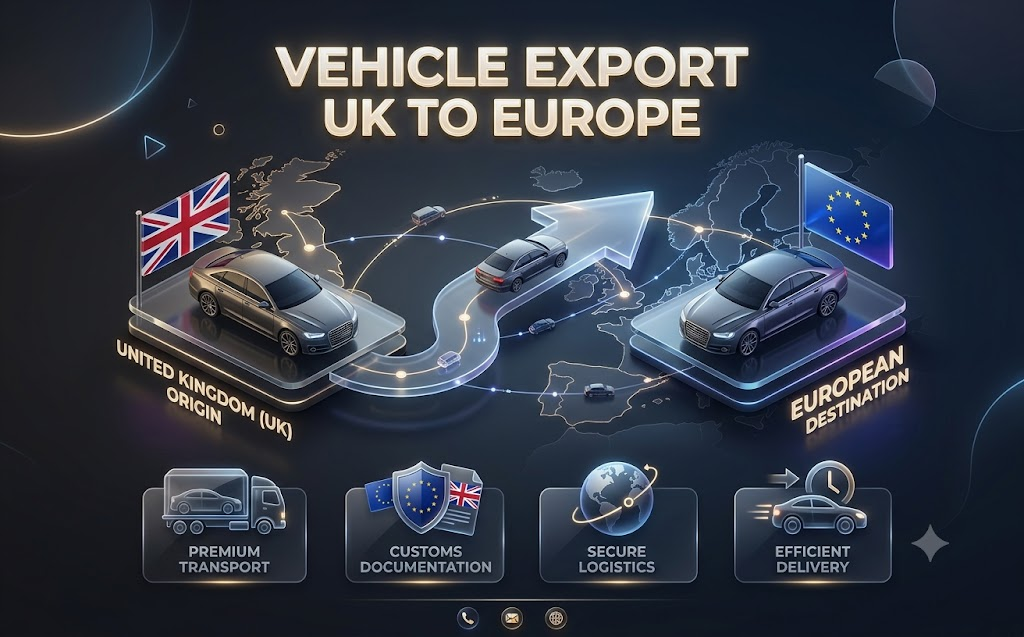
While Middle Eastern trade lanes handle high volumes of transcontinental freight, regional trade corridors within Europe require equal logistical precision. Moving vehicles from the UK to mainland European destinations involves navigating unique border protocols, cross-channel ferry or vessel rotations, and regional environmental compliance zones.
Establishing a smooth transit plan for a vehicle export UK to Europe route requires a clear understanding of regional port operations and post-Brexit import documentation. Whether moving commercial fleet inventory, corporate relocations, or classic collector vehicles, utilizing established regional RORO networks provides predictable transit times and consistent port-to-port scheduling. Partnering with experienced logistics operators helps streamline these short-sea shipping routes, ensuring seamless entry through continental ports.
Core Operational Advantages of RORO Transport
When analyzing the best method for international vehicle transit, shippers frequently compare RORO shipping against traditional containerized freight. For standard passenger vehicles, commercial fleets, and oversized equipment, RORO offers clear operational benefits:
1. Optimized Freight Expenditures
Container shipping requires paying for the entire volumetric space of a 20-foot or 40-foot steel enclosure, alongside extra fees for professional blocking, bracing, and labor. RORO logistics operate on a space-occupied pricing structure, meaning shippers only pay for the exact physical footprint of the vehicle. This makes it an incredibly cost-effective choice for single shipments and commercial fleet exports alike.
2. Reduced Handling Variables
Loading a car into a confined container introduces physical stress and increases the risk of accidental scrapes or structural dings during the packing process. RORO completely removes these extra handling steps. Professional port drivers maneuver the vehicle up low-gradient ramps directly into its designated position on the vessel, minimizing handling touchpoints.
3. Capability for Oversized Cargo
Standard shipping containers have rigid physical boundaries that cannot accommodate large industrial or agricultural assets. RORO vessels are engineered with adjustable internal decks and heavy-duty ramps, allowing them to easily house high-sided buses, large tractors, construction excavators, and heavy transport trucks.
Essential Pre-Shipment Preparation Protocol
To comply with international maritime safety guidelines and destination biosecurity regulations, every vehicle must undergo specific preparation before arriving at the departure terminal.
- Complete Vehicle Cleanliness: Thoroughly wash the exterior, interior, and undercarriage of the vehicle. Destination customs inspectors closely examine incoming cargo for soil, seeds, and organic matter to protect local ecosystems. A dirty undercarriage can lead to immediate quarantine holds and unexpected cleaning fines.
- Regulated Fuel Volumes: To mitigate fire risks on enclosed vessel decks, international carriers enforce strict fuel limitations. The vehicle’s fuel tank must be at a maximum of one-quarter (1/4) capacity or less at the time of port drop-off.
- Clear All Personal Effects: Shippers must remove all personal belongings, loose luggage, and aftermarket electronics from the cabin and trunk. Ocean transport insurance only covers the vehicle unit itself, and loose items can complicate customs declarations.
Managing Customs Compliance and Essential Documentation
Crossing international maritime boundaries successfully requires an error-free paperwork trail. Organizing your documentation early prevents costly port delays, storage fees, or administrative friction at both the origin and destination terminals.
| Document | Primary Purpose in Vehicle Logistics |
| V5C Logbook / Vehicle Title | Validates legal ownership and confirms the vehicle is cleared for permanent export. |
| Commercial Invoice / Bill of Sale | Establishes the true valuation used by customs officials to calculate import duties and taxes. |
| Bill of Lading (BoL) | Acts as the formal contract of carriage, detailing cargo specifications, the shipper, and the consignee. |
| Photo ID / Passport Copy | Verifies the identity of the registered owner or authorized logistics agent. |
Frequently Asked Questions
Can electric and hybrid vehicles be shipped using RORO?
Yes, modern RORO vessels are fully equipped to transport electric and hybrid vehicles. Shippers must declare the propulsion type in advance, ensure the vehicle’s battery pack is completely undamaged, and maintain a battery charge level typically between 20% and 50% to comply with port safety protocols.
How are vehicles protected from shifting during rough sea weather?
Once parked on the vessel’s deck, the vehicle is secured using heavy-duty nylon lashing straps attached to the wheel chassis and anchored to integrated steel tie-down points on the deck floor. This multi-point stabilization system completely immobilizes the vehicle.
What happens if a vehicle has a dead battery at the port?
RORO terminals are fully staffed and equipped with heavy-duty mobile jump-start units and booster packs. If a vehicle’s battery drains during storage or transit, port handling teams can safely jump-start the vehicle to drive it off the ramps without delaying port operations.
Conclusion
Successfully executing international vehicle shipping relies on choosing the right transport method, preparing your vehicle thoroughly, and maintaining accurate documentation. By leveraging the streamlined efficiency of Roll-on/Roll-off shipping, coordinating with experienced logistics networks, and adhering to international port safety protocols, you can ensure your vehicle moves smoothly across global trade lanes with total peace of mind.